
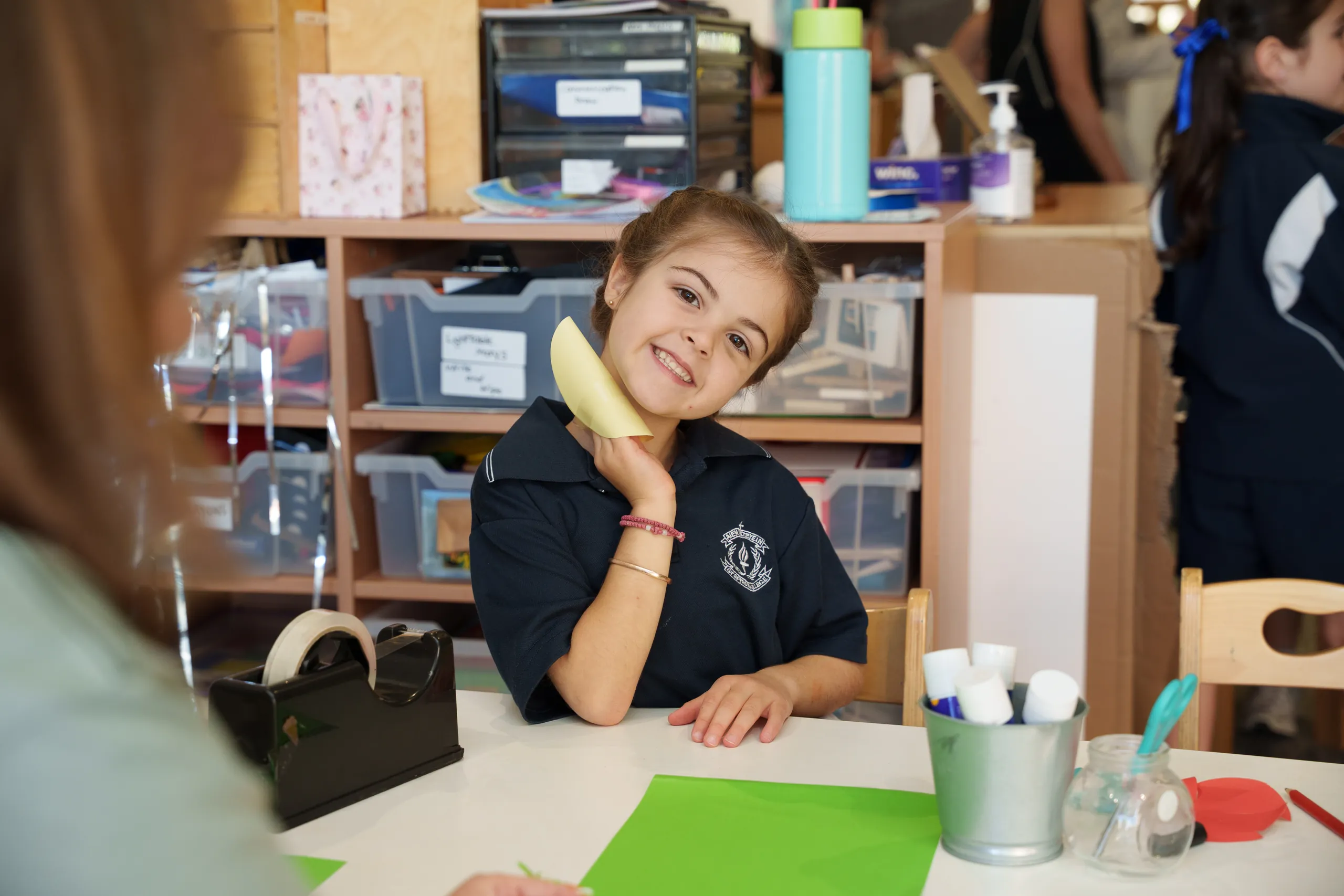
A Joyful Beginning
Starting Kindergarten is one of life’s most exciting milestones, marking the beginning of a wonderful learning journey for both children and their families.
At St Spyridon College, we work in partnership with parents to ensure this transition into formal schooling is joyful, positive and rewarding.
As a leading independent school in Sydney, our Kindergarten program provides a nurturing environment where every child feels
- safe,
- valued
- and inspired to learn.
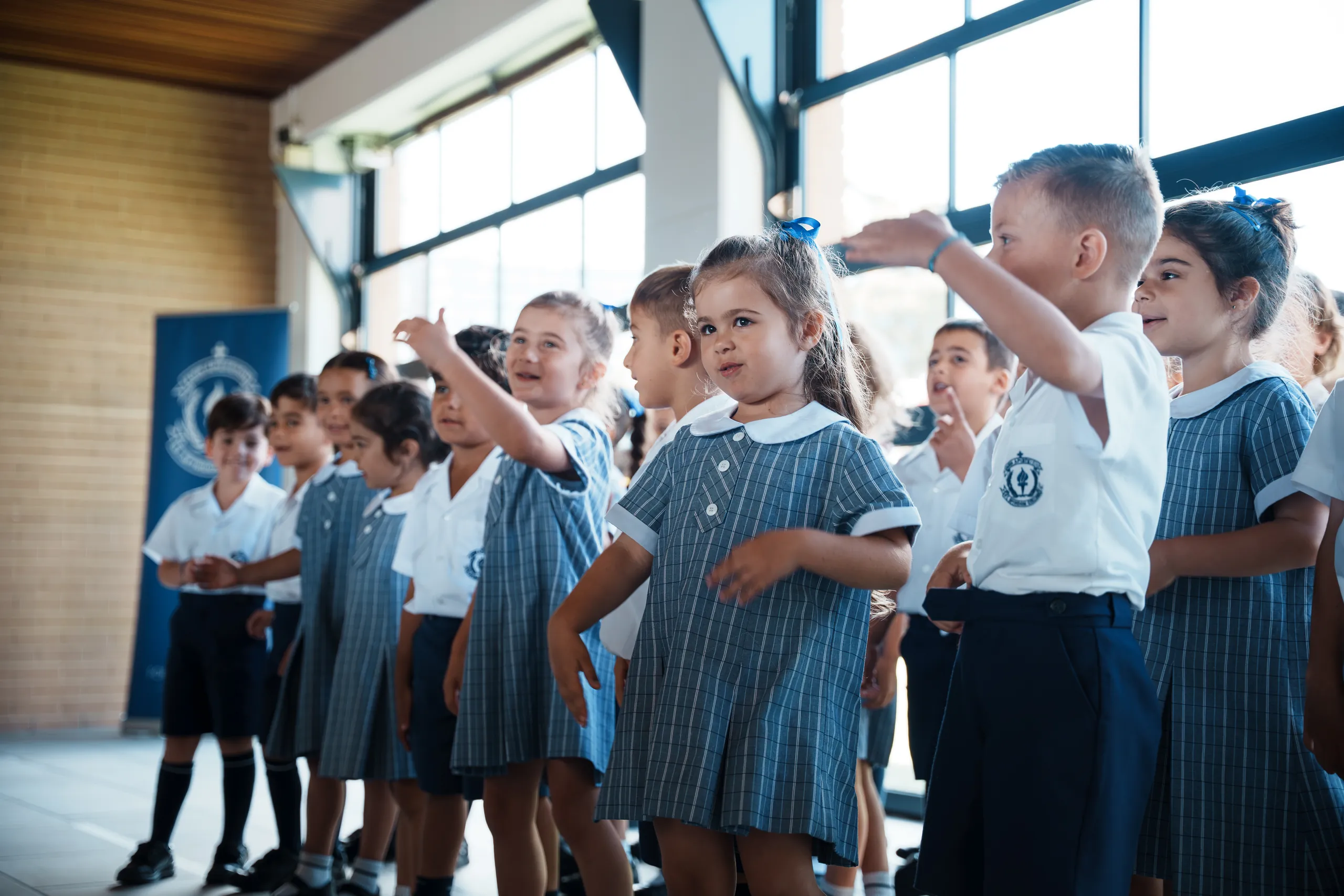
Filled with light, laughter and curiosity, our classrooms encourage children to explore the world with confidence, creativity and a genuine sense of wonder.
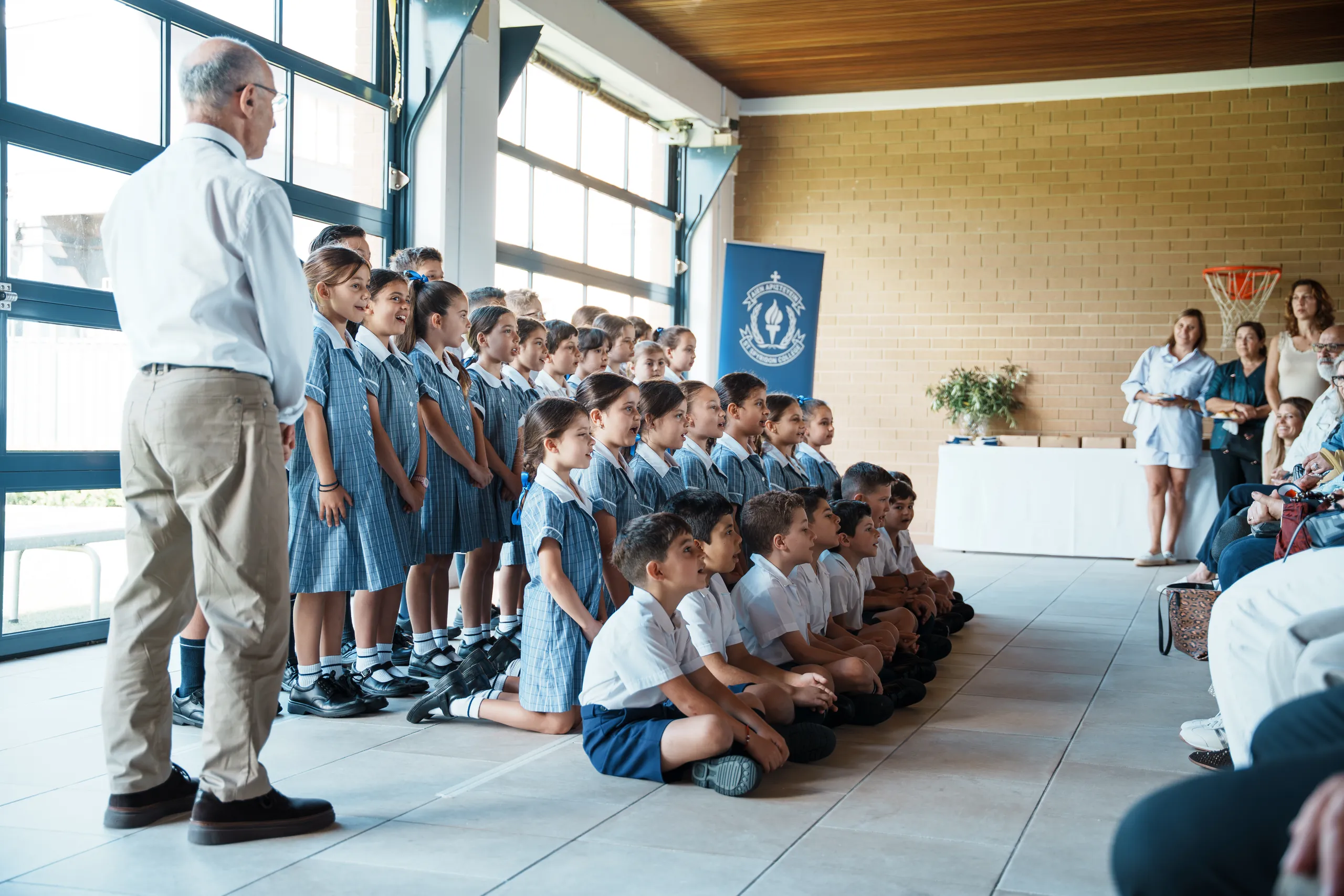
Our experienced teachers recognise that every child is unique.
They build on each student’s natural strengths and interests, creating meaningful learning experiences that encourage children to think independently, ask questions, solve problems, develop new skills and express their ideas with confidence.
Guided by the Greek Orthodox Faith and our commitment to holistic education, we foster a love of learning that extends well beyond the classroom.
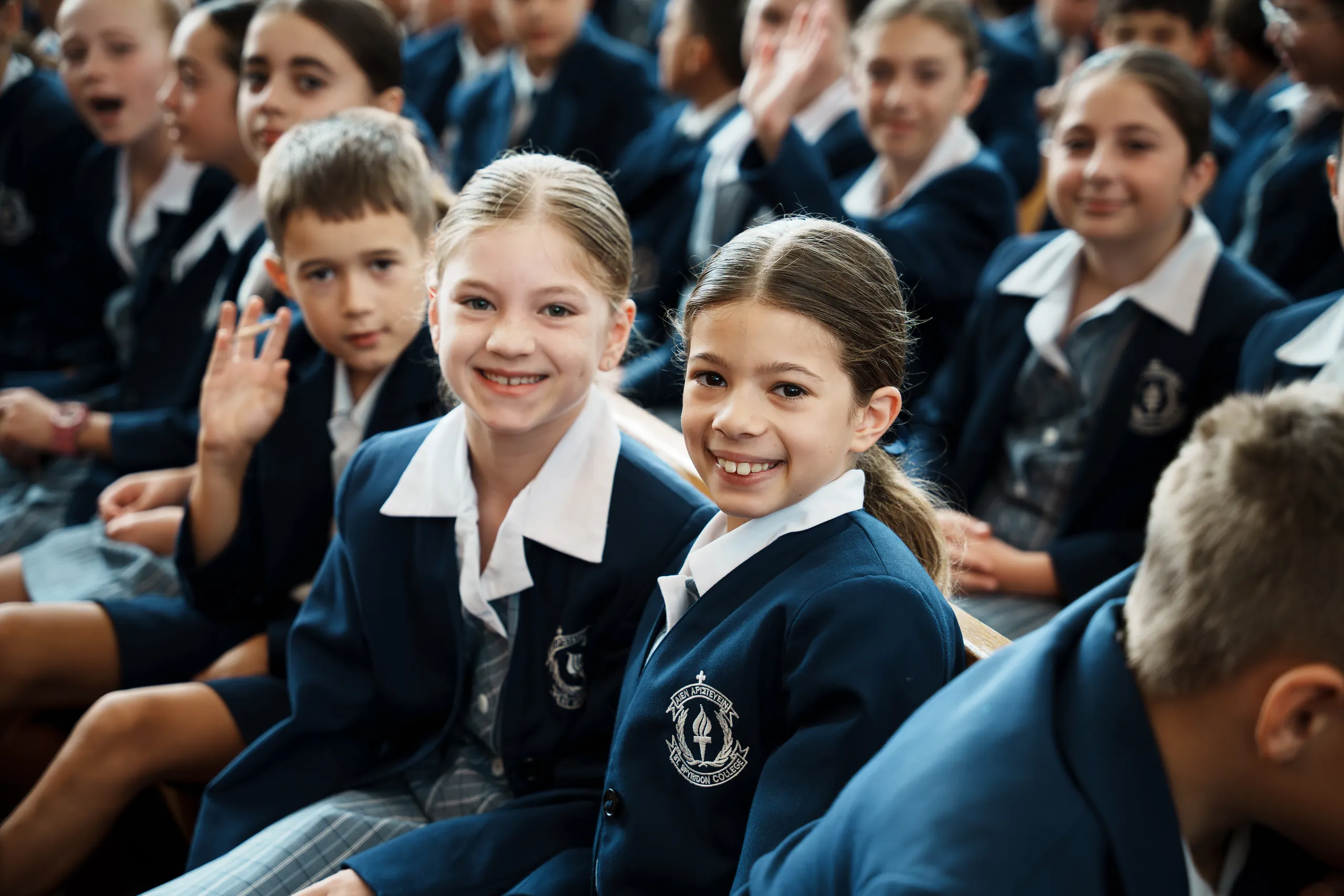
Above all, we want every child to feel that they belong.
At St Spyridon College, students are surrounded by a caring network of teachers and staff who know them as individuals and nurture their interests, aspirations and potential.
Supported by the strong partnership between home and school, our students develop confidence, resilience and a positive sense of self from their very first day.
We look forward to welcoming your family and sharing this special beginning with you.
To learn more about our Kindergarten program or the enrolment process, please contact our Enrolments Office.
Phone: (02) 9311 3340
Frequently Asked Questions
How do I know my child is ready to start school?
Every child develops at their own pace, and there is no expectation that children will have mastered every skill before commencing Kindergarten.
The following guide outlines some of the language, social and physical skills that many children have developed before beginning school.
Language Skills
- Speak clearly and in complete sentences about familiar objects and experiences.
- Ask and answer simple questions.
- Follow two or three-step instructions.
- Sing or recite the alphabet.
- Listen attentively to a story and recall characters or events.
- Recognise the first letter of their own name.
- Identify common colours and shapes.
- Express their needs and ideas confidently.
Personal and Social Skills
- Adapt to unfamiliar settings and new experiences.
- Demonstrate resilience when faced with challenges.
- Complete simple tasks and tidy up afterwards.
- Play cooperatively with other children.
- Share, take turns and wait patiently.
- Use the toilet independently and wash their hands.
- Express their feelings and preferences appropriately.
Physical Skills
- Use scissors safely to cut along a straight line.
- Enjoy a variety of indoor and outdoor play.
- Run, jump, catch, balance and dance confidently.
- Put on and remove jumpers, shoes and socks independently.
How can I help my child prepare for Kindergarten?
Encourage Independence
Helping your child become more independent before they start school builds confidence and prepares them for everyday routines.
Encourage your child to:
- Dress themselves, including fastening buttons where possible.
- Put on their own socks and shoes.
- Pack their lunchbox or school bag.
- Help prepare their lunch or choose a piece of fruit.
- Fill their own drink bottle.
- Pack away toys after play.
- Help set the table or carry their plate to the sink after meals.
Establish a Routine
Children feel more secure when daily routines are predictable.
Before school begins, gradually establish regular routines for play, reading, preparing their school bag and bedtime.
A calm evening routine, perhaps including a simple family prayer, helps children feel settled and ready for the day ahead.
Create Time to Connect
Set aside time each day to talk with your child about their experiences.
Allow them to lead the conversation, celebrate the things that made them proud, acknowledge any worries they may have and finish each discussion on a positive note.
These simple conversations help build confidence, strengthen resilience and reinforce the important partnership between home and school.